This workbook is intended for anyone who dreams of opening their own therapy practice one day, but now is not the right time. Whether you are a counseling student, an associate therapist, or are just not in the right phase of life quite yet: this is for you.
It is a 37 page workbook of actionable steps to take now to put you in a good position later for launching a practice.
Chapters include:
1: money mindset
2: finances
3: gathering information
4: building community
5: digital footprint and social media
6: forward thinking

This workbook is for therapists who want to learn how to utilize credit card points (responsibly and strategically) to help make travel with/without PTO more accessible.
When I launched my own private practice and lost the safety net of PTO, I decided to get creative. I used a mix of delusion and strategy to convince myself that credit card points could be a part of my PTO package :)
Turns out? It worked. Since opening my practice, I’ve used points to significantly reduce travel costs while learning how to make the most of everyday business and personal spending.
Chapters:
Is this worth it for you?
The basics: How points actually work and how to earn them
How to redeem points
Using a partner or travel buddy wisely
My beginner setup
Keeping it sustainable and next steps
My current card lineup and resources

This 20-page workbook was created by a seasoned therapist and clinical supervisor who’s been through formal audits, accreditation reviews, and hundreds of chart audits. Offering you what I have learned, so you don’t have to learn the hard way.
Beyond the Biopsychosocial offers a realistic and compassionate framework for conducting first sessions that meet clinical standards without feeling mechanical.
Inside, you’ll find:
Real-world phrasing for sensitive questions (trauma, substance use, sexuality, and more)
Guidance on what to document vs. what’s for your own conceptualization
Tips for informed consent, safety assessment, and rapport-building
Insight into commonly missed areas of assessment
Whether you’re new to the field or supervising others, this workbook helps you bridge the gap between paperwork and presence, so your first session feels less like an interview, and more like therapy.
digital download sent to email

Although I have my financial policy in my intake paperwork bundle I send to clients, I also have them sign a separate, short document to ensure they read and understand my financial policies.
Sections include:
*payment
*balances
*declined cards
*cancellations and no-shows
**explanation of why this all matters
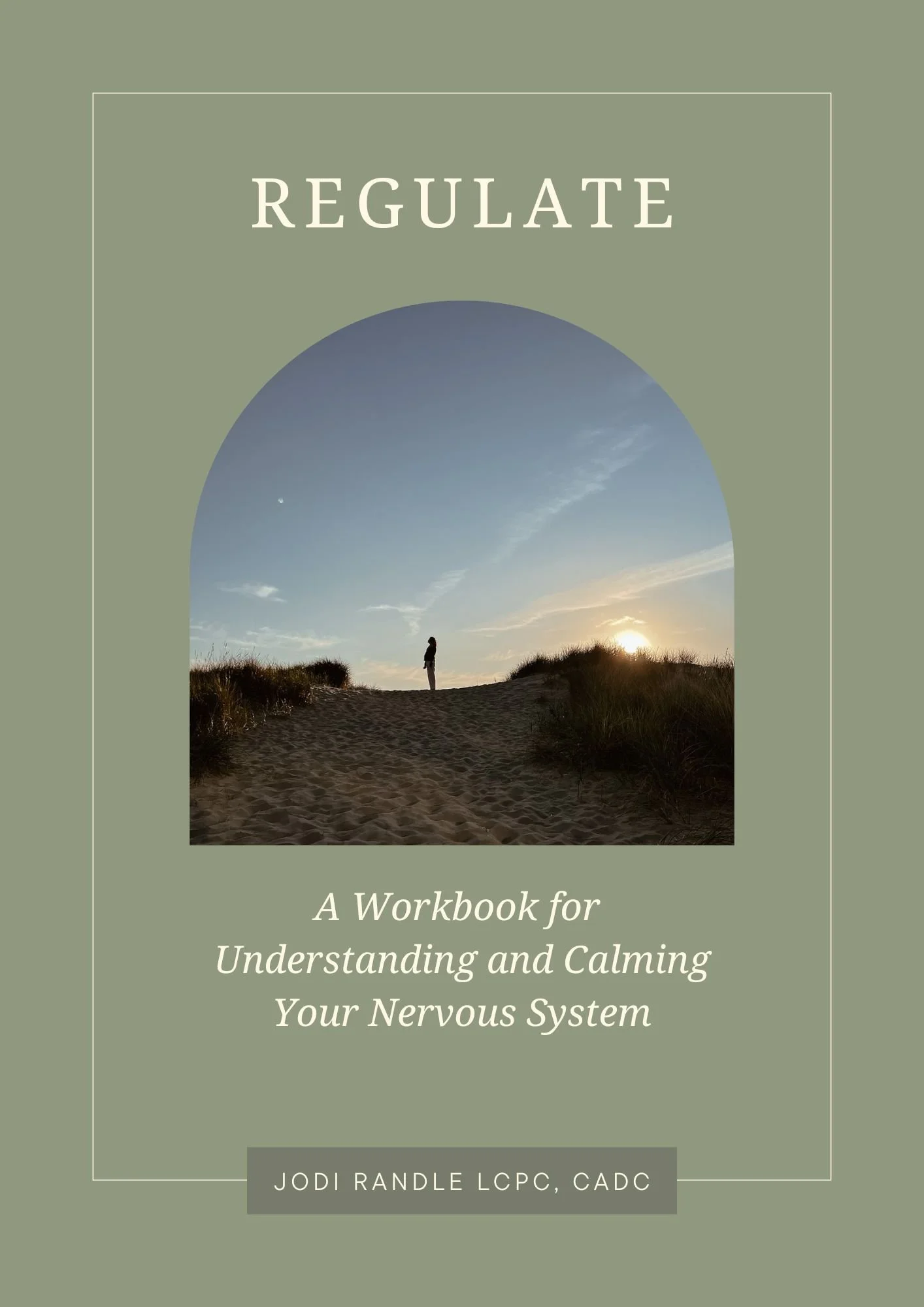
*For clients who say they want grounding skills but would also rather launch themselves into the sun than slow down for five seconds.*
Part education, part experience: This workbook is designed to help you understand what’s happening inside your body when you’re overwhelmed, and how to work with it instead of against it.
Regulate blends the science of the nervous system with reflective, real-world practices. It’s for anyone who wants to feel more connected, grounded, and at ease in their body.
Inside, you’ll find clear explanations, guided reflection prompts, and simple sensory tools to help you:
Recognize your body’s signals and shifting states
Build a personalized toolkit for calming and re-centering
Move from dysregulation back toward safety and connection
Bring curiosity and compassion into your daily regulation practice
There’s no right or wrong way to move through it. Go at your own pace, pause when something resonates, and come back to what feels useful.
Regulate is part science, part practice.
No results match your search. Try removing a few filters.